Small Fishing Harbours of the Adriatic Coast
Records, observations, and context on the minor ports that line Italy's Adriatic shoreline — from the lagoon edges of the northern Veneto to the rocky inlets of Puglia.
Articles
Three extended pieces examining specific aspects of harbour life, boat traditions, and regulatory frameworks across the Italian Adriatic coast.

The bragozzo, trabaccolo, and batèla each occupied a distinct niche in the northern Adriatic. Their construction logic, rigging choices, and practical limits shaped the rhythm of port life for centuries.

EU and national quota frameworks affect harbours of every scale, but the administrative burden falls disproportionately on smaller ports. How local fishers navigate the paperwork — and where the system falls short.

Demographics, out-migration, and the cultural weight of the fish auction — examined through three harbour towns across three different regions.
The Northern Lagoon Ports
Chioggia, Caorle, and Grado occupy a singular position in Italian fishing history. Built on and between lagoon islands, their harbour infrastructure developed in direct response to tidal rhythms, sediment drift, and the shallow-draft requirements of lagoonal craft.
Read more on boat typesKey Harbours Along the Coast
From the Po Delta to the Strait of Otranto, the minor Adriatic ports vary considerably in scale, infrastructure, and the species their fleets target.

Chioggia
The largest fishing port in the Veneto lagoon system. Home base for trawlers, vongolare, and traditional wooden craft still in regular use.

Giulianova
A mid-Adriatic port in Abruzzo with a concentrated fleet of small trawlers. The fish market opens before dawn six days a week.
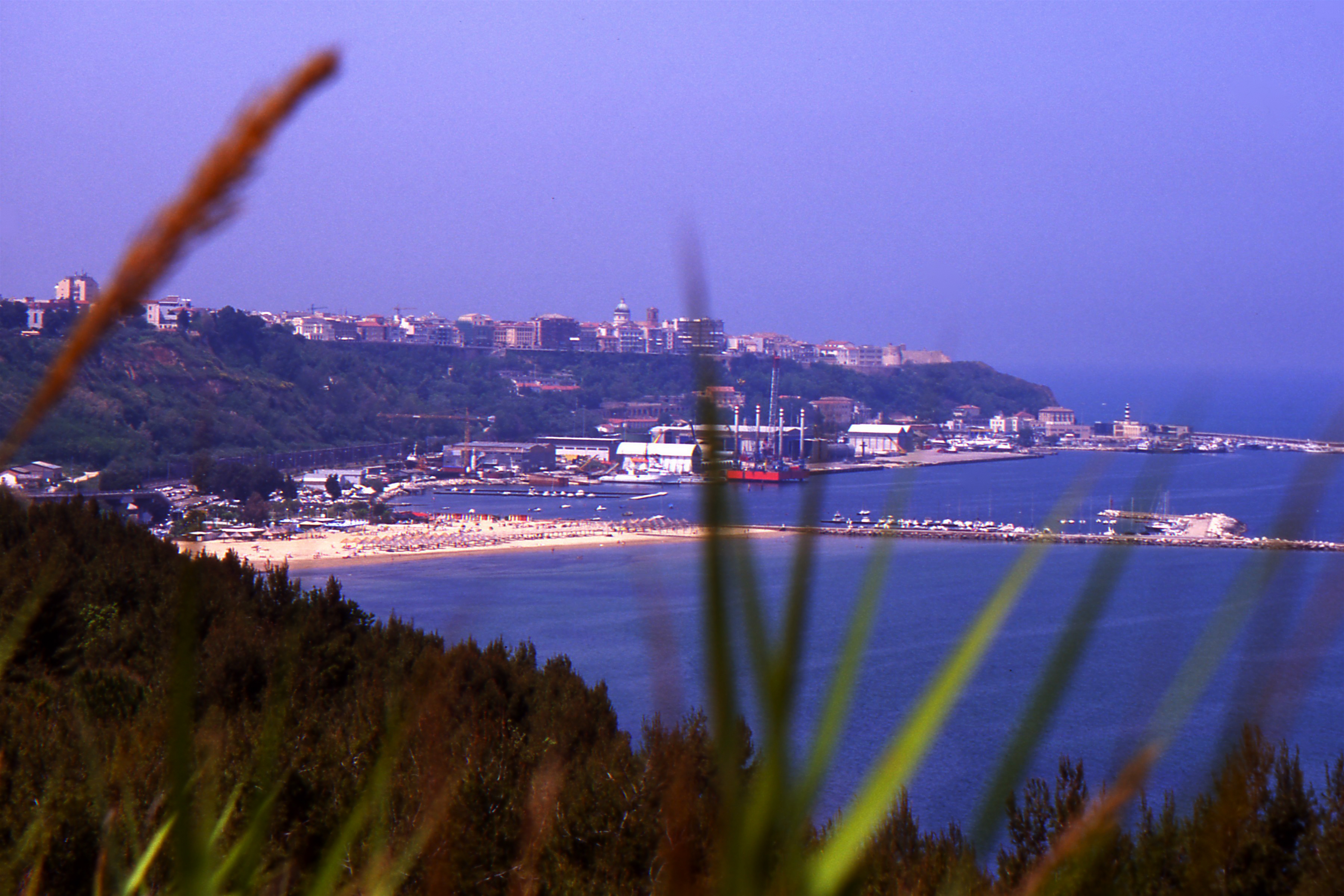
Ortona
Anchored below a medieval headland, Ortona handles both commercial fishing and local ferry traffic. Its breakwater shelters roughly 220 registered vessels.

Otranto
At the southern end of the Adriatic coast, Otranto's small harbour handles ricci di mare and octopus alongside the tourist ferry trade to Albania.
Catch Composition and EU Quota Frameworks
The 2013 Common Fisheries Policy reformed how quotas are distributed among member states, and Italy's allocation for Adriatic stocks is now managed under a national plan that subdivides totals among major and minor harbours. For ports landing fewer than 10 tonnes annually, the administrative process carries a fixed cost that bears no relation to volume.
Read the full articleHarbour Infrastructure: What the Numbers Show
Italy's Ministry of Infrastructure and Transport publishes annual port capacity reports. For minor Adriatic harbours, the figures show a steady decline in berth utilisation since 2010 — not because fewer boats are working, but because the active fleet has aged and reduced in overall number. The average vessel age at ports below 50 registered boats now exceeds 28 years.
About this resourceAncona and the Central Adriatic

Ancona as a Regional Hub
Ancona functions as the largest port on the Italian Adriatic coast and administers a network of smaller satellite harbours along the Marche coastline. Fish landed at minor ports between Pesaro and Civitanova Marche often moves through Ancona's wholesale market for onward distribution.
The smaller harbours in this stretch — Fano, Senigallia, Porto Recanati — each handle between 800 and 2,400 tonnes annually, relying on a mix of trawl, gillnet, and small-scale artisanal gear.
Community Demographics in Harbour Towns
The 2021 ISTAT census recorded continued population decline in several minor Adriatic harbour municipalities. Towns with fewer than 3,000 residents and a primary economy tied to fishing showed an average annual population loss of 1.2% between 2011 and 2021. The figures vary considerably by region — Puglia's smaller ports show less decline than equivalent towns in Marche and Molise.
Read community life articleContact
For corrections, source submissions, or general correspondence.